Darknet Markets 2026:
The dark web is part of the deep web but is built on darknets: overlay networks that sit on the internet but which can't be accessed without special tools or software like Tor. Tor is an anonymizing software tool that stands for The Onion Router — you can use the Tor network via Tor Browser.
| Darknet Market | Established | Total Listings | Link |
|---|---|---|---|
| TorZon Market | 2022 | 140+ | Onion Link |
| Nexus Market | 2024 | 600+ | Onion Link |
| Abacus Market | 2022 | 100+ | Onion Link |
| Ares | 2026 | 100+ | Onion Link |
| Cocorico | 2023 | 110+ | Onion Link |
Updated 2026-10-27
How the Darknet Makes Shopping for Drugs Safe and Private
Darknet markets function as specialized e-commerce platforms that facilitate anonymous shopping by integrating several core technologies. The process begins with a user accessing the market through the Tor network, which obscures their IP address and physical location. This layer of network anonymity is foundational, separating the user's identity from their browsing activity.
For payment, these platforms exclusively utilize cryptocurrencies like Bitcoin or Monero. Cryptocurrencies enable secure, peer-to-peer financial transactions without the involvement of traditional banks or payment processors. This creates a financial layer of privacy, as the transaction is recorded on a public ledger but is not directly linked to a real-world identity unless the cryptocurrency is carelessly handled. Monero, in particular, offers enhanced privacy through its obfuscated blockchain.
Before a purchase, a buyer relies heavily on the market's vendor review system. This system is a critical self-regulating mechanism. Buyers post detailed feedback on product quality, shipping speed, and stealth packaging. A vendor's reputation, built over hundreds of transactions, becomes their most valuable asset, directly influencing sales and establishing a trust framework that replaces traditional consumer protections.
The transaction itself is typically secured by an escrow service managed by the market. The buyer's cryptocurrency is held in escrow until the product is received and confirmed. This protects the buyer from fraudulent vendors who might not ship items, while also assuring the vendor that funds are committed. Only after the buyer finalizes the order does the vendor receive the payment, creating a balanced and secure economic environment for both parties.
This combination of network anonymity, cryptographic currency, and a crowdsourced reputation system enables a form of safe and private commerce. It allows for the discreet acquisition of a wide range of goods, including recreational drugs, which are evaluated for purity and safety through community feedback rather than unregulated street dealings. The entire ecosystem operates on principles of direct peer-to-peer trade, where privacy and verifiable trust are the primary currencies.
How Cryptocurrency and Reviews Make Darnet Shopping Safe
The operational model of darknet markets integrates cryptocurrency and vendor review systems to create a secure and private shopping environment. Cryptocurrencies like Bitcoin and Monero are fundamental, as they facilitate transactions without linking to real-world identities through traditional banks. Payments are made to a market-controlled escrow, which holds the funds until the buyer confirms receipt of the goods.
This financial privacy is reinforced by the platform's feedback mechanism. Every transaction culminates in a detailed review, where buyers rate:
- Product quality and accuracy
- Stealth and discretion of packaging
- Vendor communication and shipping speed
These reviews generate a transparent and persistent reputation score for each vendor. A vendor with a long history of positive feedback is economically incentivized to maintain high standards, as their income depends on this publicly visible trust metric. The system effectively delegates quality assurance and dispute resolution to the community, minimizing the need for market administrator intervention. The escrow service protects buyers from scams, while the review system protects vendors from false claims, creating a balanced, self-policing ecosystem for trade.
How Encryption Keeps Your Darknet Shopping Private and Secure
The operational security of a darknet market is fundamentally dependent on encryption. This technology functions as an unbreakable seal for all communications and transactions, ensuring that a user's identity and activities remain confidential. When a buyer connects to a market, the connection is secured with protocols like Tor and SSL, which encrypt all data in transit. This makes it virtually impossible for outside parties to intercept and read sensitive information, such as login credentials or shipping addresses.
Beyond securing the connection, encryption protects the content of messages between buyers and sellers. This private communication channel is essential for finalizing order details without exposing them. Furthermore, the integration with cryptocurrency wallets adds another critical layer. Financial transactions are recorded on the blockchain, but the encryption inherent to the cryptocurrency protocol ensures that these records only show wallet addresses and amounts, not the personal identities of the individuals involved. The combination of these encryption methods creates a robust system where anonymity is preserved by design, allowing for private commerce.
The practical outcome of this encrypted environment is a marketplace where participants can engage with significantly reduced risk. Users are empowered to make purchasing decisions based on product and vendor merit, as seen in detailed vendor reviews and ratings, rather than from a position of fear regarding exposure. This technical foundation directly enables the safe and private shopping experience that defines the modern darknet ecosystem.

Everything You Need on the Darknet
The inventory on darknet markets is vast, extending far beyond the commonly discussed recreational pharmaceuticals. These platforms function as comprehensive, anonymous bazaars. A user can procure digital goods like software licenses, e-books, and premium accounts, or physical items such as electronics, jewelry, and specialized tools. The availability of forged documents and financial data is also a noted facet of this ecosystem.
This diversity is enabled by the core operational framework. Cryptocurrency payments provide a financial layer detached from traditional banking, ensuring transactional privacy. The vendor review system is the critical mechanism for quality control and establishing trust. Buyers meticulously document their experiences regarding product purity, shipping speed, and stealth, creating a transparent feedback loop that rewards reliable vendors with higher visibility and sales.
The combination creates a self-reinforcing cycle:
- A seller lists a unique or high-demand item.
- Purchases are made with Bitcoin or Monero, secured in escrow.
- Successful transactions result in positive, detailed reviews.
- This reputation attracts more buyers, encouraging other vendors to compete on quality and service.
Consequently, the market evolves organically. For digital products, delivery is instantaneous via encrypted messaging. For physical goods, vendors have developed sophisticated discreet packaging techniques to ensure secure delivery. The entire process, from browsing to finalizing a sale, is protected by end-to-end encryption, which safeguards communication and transaction data. This infrastructure supports a peer-to-peer economy where privacy is not a feature but the foundational principle, allowing for the free trade of a wide spectrum of goods and services with a degree of safety and discretion unmatched by conventional online retail.
How Reviews Make the Darknet Market Work Better
The decentralized and anonymous nature of darknet commerce removes traditional intermediaries and brand guarantees, creating a vacuum where trust must be engineered digitally. This void is filled by a robust, user-generated review system that functions as the primary mechanism for establishing vendor reputation and product quality. Unlike superficial reviews on conventional e-commerce platforms, feedback on darknet markets carries significant financial and personal risk weight, making it inherently more resilient to manipulation.
Every transaction culminates in a detailed review where buyers evaluate the product's accuracy, the stealth of packaging, the vendor's communication speed, and the overall reliability of the service. These reviews are permanently attached to the vendor's profile, creating a transparent and immutable performance history. A vendor with hundreds of positive reviews spanning months or years accumulates a digital trust capital that is directly convertible into higher sales volume and the ability to command premium prices. Conversely, consistent negative feedback regarding product purity or failure to deliver results in a rapid loss of standing and eventual exclusion from the marketplace, as buyers simply cease to engage.
The system employs several features to ensure review integrity. Escrow finalization is a critical component, as only users who have actually completed a transaction and released funds from escrow can leave detailed feedback, preventing spam. Many platforms also implement a grading system for specific transaction aspects.
- Product quality relative to advertisement
- Shipping speed and discretion
- Customer service responsiveness
This structured data allows for nuanced assessment beyond a simple star rating. The collective analysis of this review corpus by the buyer community creates a powerful self-regulating quality control mechanism. It efficiently identifies and promotes reliable vendors while marginalizing and eliminating bad actors, thereby elevating the overall market standard and protecting users within the anonymous ecosystem.

How Escrow Makes Darknet Trade Safe and Reliable
Escrow services form the critical transactional backbone of darknet markets, directly enabling trust between anonymous parties. The mechanism functions as a neutral third-party holding service for cryptocurrency payments. A buyer sends funds for an order into the market's escrow system, where the coins are locked and held securely. This action signals to the vendor that payment is guaranteed, prompting them to ship the product or provide the digital service.
The vendor's performance is then verified through the buyer's final action: marking the order as received. Only upon this release command from the buyer are the escrowed funds transferred to the vendor's account. This simple process elegantly solves the inherent trust dilemma of anonymous commerce. It protects the buyer from fraudulent vendors who might not ship items after payment, while simultaneously protecting the vendor from dishonest buyers who might falsely claim non-receipt to secure a refund. The system creates a balanced, self-enforcing contract.
For higher-value transactions or established trust, parties may opt for finalize early (FE) deals, where the buyer releases escrow before receiving the goods, often in exchange for a discount. This practice relies heavily on the vendor's accumulated positive feedback score, demonstrating how escrow and the review system are interdependent. The economic pressure to maintain a high reputation ensures most vendors fulfill their obligations, as a single scam would permanently damage their standing and future earnings potential. Thus, escrow is not just a technical feature but a foundational economic institution that facilitates a self-regulating peer-to-peer marketplace, ensuring transactional security and fostering reliable trade without requiring personal identification or external legal enforcement.
How Darknet Markets Build Trust for Safer Trade
The operational model of darknet markets is a direct application of peer-to-peer economic principles, removing traditional intermediaries. This creates a self-regulating ecosystem where trust and security are not mandated by an external authority but emerge from the market's own design. The foundation is the use of cryptocurrency, which enables private and secure payments by design, separating financial transactions from personal identity.
This financial privacy is complemented by robust encryption protecting all communication and transaction data. The system's resilience, however, is primarily driven by its social feedback mechanisms. Vendor reviews and detailed ratings form a transparent reputation system, allowing buyers to make informed decisions based on collective experience. This continuous public audit pressures vendors to maintain high standards of product quality and reliable shipping.
To further mitigate risk, transactions are typically secured by escrow services held by the market platform. Funds are only released to the seller after the buyer confirms satisfactory receipt of the goods. This mechanism effectively deters fraud and builds a secure trading environment. The combination of these elementscryptocurrency for payment, encryption for data, reviews for reputation, and escrow for securityfacilitates a wide range of available products and services. The entire model demonstrates how privacy is the foundation of these trading platforms, enabling a convenient and direct peer-to-peer trade economy that regulates itself through built-in incentives and disincentives.
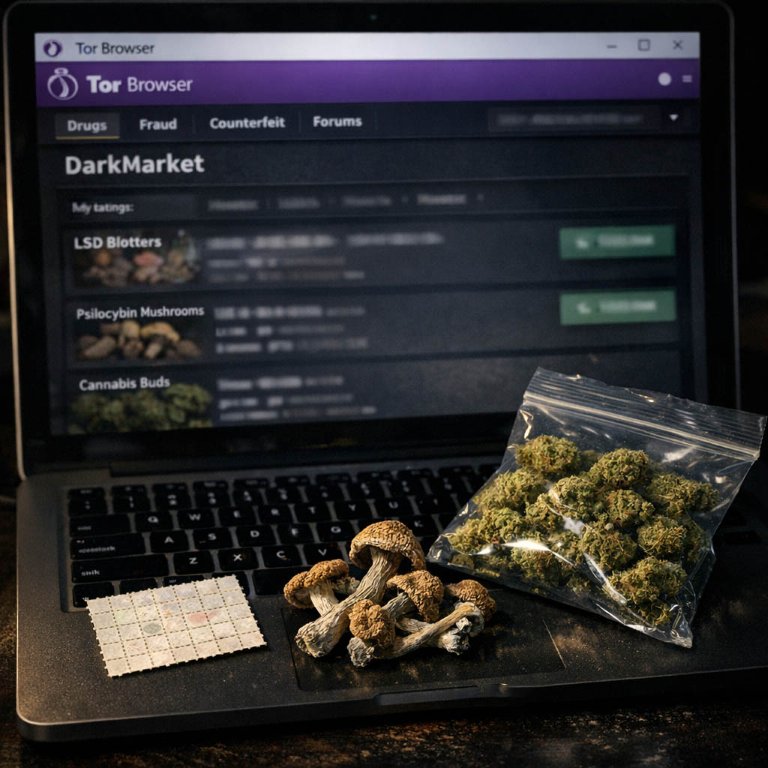
How Privacy Makes Darknet Trading Work
Privacy is the fundamental principle that allows darknet markets to function. Without robust mechanisms to protect user identity, the entire model of peer-to-peer trade for sensitive goods would not be viable. The architecture of these platforms integrates several layers of privacy by design, starting with network-level anonymity provided by tools like Tor or I2P. This initial step masks a user's location and IP address, making it extremely difficult to trace their connection to the marketplace itself.
The second critical layer is financial privacy, achieved through the use of cryptocurrencies like Bitcoin or Monero. These digital currencies enable secure, pseudonymous payments without the need for a traditional bank account or credit card, which are inherently tied to a person's legal identity. Transactions are recorded on a public ledger, but sophisticated users employ techniques such as coin mixing or use privacy-focused coins to obscure the trail of funds, effectively separating their financial activity from their real-world persona.
This foundation of privacy enables the core features that make these markets effective. Vendor review systems can operate with high integrity because participants feel secure enough to leave honest feedback. Buyers are protected by escrow services, which hold cryptocurrency until the product is received and verified. This creates a self-regulating economy where trust is built transparently between parties, and quality is enforced by community reputation rather than external regulation. The availability of a wide range of products, from digital goods to physical items delivered directly, is a direct consequence of this secure and private environment where demand and supply can meet without traditional intermediaries or oversight.
Secure Digital Delivery on the Darknet
The operational model of darknet markets provides a distinct advantage for the trade in digital goods and services. Unlike physical commodities, digital products such as software, digital books, or consultancy services can be delivered instantly and directly to the buyer. This process is inherently secure and private, as the transfer occurs electronically, leaving no physical trace or logistical footprint.
This direct delivery is facilitated by the market's integrated systems. A buyer completes a purchase using cryptocurrency, which acts as a private payment method. The funds are typically held in escrow by the market's automated system, protecting the buyer. Upon confirmation of payment, the vendor provides the digital access code or file directly through the market's encrypted messaging system. The entire transaction is protected by end-to-end encryption, ensuring that the content of the communication and the transferred data remain confidential between the two parties.
The system is reinforced by vendor reviews and ratings. For digital services, previous buyer feedback detailing the quality, accuracy, and timeliness of delivery is a critical trust mechanism. This creates a self-regulating environment where reputable vendors thrive. The combination of instant delivery, encrypted communication, and a reputation-based economy makes darknet markets a uniquely efficient platform for the secure and private exchange of digital value.