Darknet Markets 2026:
The dark web is part of the deep web but is built on darknets: overlay networks that sit on the internet but which can't be accessed without special tools or software like Tor. Tor is an anonymizing software tool that stands for The Onion Router — you can use the Tor network via Tor Browser.
| Darknet Market | Established | Total Listings | Link |
|---|---|---|---|
| TorZon Market | 2022 | 140+ | Onion Link |
| Nexus Market | 2024 | 600+ | Onion Link |
| Abacus Market | 2022 | 100+ | Onion Link |
| Ares | 2026 | 100+ | Onion Link |
| Cocorico | 2023 | 110+ | Onion Link |
Updated 2026-10-27
How the Darknet Offers Easy Access to Many Substances
The operational model of darknet markets fundamentally enables easy access to a wide variety of substances. This access is not random but is structured through systems designed for reliability and user safety. The foundation is the direct peer-to-peer exchange facilitated by the platform, which removes traditional geographic and social barriers to procurement.
This model is sustained by several integrated components:
- The vendor rating system creates a self-regulating environment where consistent product quality and honest dealings are rewarded with positive feedback and higher visibility, while poor performance is penalized.
- Detailed product reviews from other users provide empirical data on purity, dosage, and effects, allowing for informed consumer choice before any transaction occurs.
- Financial interactions are streamlined through using cryptocurrency for simple payments, which offers a fast and borderless settlement method.
- Transaction security and personal privacy are maintained by robust encryption protecting privacy and security, ensuring that communication and financial data remain confidential.
Together, these elements form a working model for digital marketplaces that prioritizes user choice and independence. The ecosystem demonstrates how secure crypto payments and trusted vendor reviews can create a framework for private online commerce that operates with a degree of predictability and user-centric design often absent in illicit street markets.
See What Other Buyers Say
The feedback system on darknet markets functions as a crowdsourced quality assurance mechanism. Users who complete a transaction are prompted to leave a review, which typically includes a product rating, comments on stealth and shipping, and an assessment of communication with the vendor. This creates a transparent and self-regulating environment where vendor reputation is directly tied to consistent performance.
These reviews reduce uncertainty for buyers by providing specific, experiential data. A potential customer can assess:
- The accuracy of the product description versus what was received.
- The reliability and speed of shipping methods.
- The effectiveness of the packaging and discretion employed.
This detailed feedback loop allows buyers to make informed decisions, fostering a market where reliable vendors thrive based on verifiable customer satisfaction. The collective history of reviews builds a trustworthy record that is difficult to falsify, making it a cornerstone for secure and predictable commerce on these platforms.
How Rating Systems Make Darnet Drug Trade Safer
The vendor rating system is a foundational mechanism for establishing trust within darknet marketplaces. It operates as a continuous, community-driven audit where every transaction contributes to a vendor's public reputation. Buyers leave detailed feedback on product quality, shipping speed, and communication, which is then aggregated into a visible score. This creates a transparent performance history that directly influences a vendor's ability to attract future business.
A high rating, built over hundreds of successful sales, acts as a powerful economic incentive for vendors to maintain consistent service and product standards. The system effectively minimizes fraud by making poor service or exit scams financially unsustainable. For the buyer, these reviews provide a reliable metric for decision-making, transforming an anonymous environment into one where accountability is enforced by the market itself. The result is a self-regulating ecosystem where reliable vendors are easily identified and rewarded, while unreliable ones are quickly marginalized.

Easy Crypto Payments for Buying Drugs on the Darknet
The operational model of darknet markets is fundamentally built on the integration of cryptocurrency payments, which provide a seamless and efficient transaction layer. Cryptocurrencies like Bitcoin and Monero are not merely a payment option but the essential financial infrastructure. They enable simple, borderless transfers without the need for traditional banking intermediaries, which would inherently compromise user privacy. This system allows for direct peer-to-peer value exchange, settling transactions often within minutes, regardless of the geographical locations of the buyer and vendor.
The simplicity of crypto payments is enhanced by built-in market features. Escrow services automatically hold the buyer's cryptocurrency until the product is received and confirmed, drastically reducing the risk of fraud. This creates a secure environment where financial trust is managed by the platform's code rather than personal reputation alone. Following a completed transaction, the vendor rating system and detailed product reviews from other users provide critical, crowd-sourced data on reliability and product quality, informing future purchasing decisions and fostering a self-regulating marketplace.
This combination of cryptographic payment protocols and community feedback mechanisms establishes a robust framework for private online commerce. The encryption protecting all communications and transactions ensures that interactions remain confidential. The result is a working model that prioritizes user choice and independence, facilitating direct exchange between people with a focus on security, discretion, and transactional reliability.
How Encryption Builds Trust and Safety in Darknet Commerce
The operational integrity of darknet markets is fundamentally dependent on advanced encryption protocols. These systems employ end-to-end encryption for all communications, ensuring that messages between buyers and vendors remain private. This layer of security is complemented by the mandatory use of cryptocurrencies like Bitcoin or Monero, which provide a financial layer of pseudonymity. Transactions are recorded on a public ledger, but the identities of the parties involved are obscured by cryptographic addresses, separating financial activity from real-world identity.
The architecture extends to the protection of the marketplace itself through Tor hidden services. This routing technology conceals the physical location of the market servers and allows users to access them anonymously. The combination creates a shielded environment for commerce where personal privacy is a technical guarantee, not just a policy promise. This allows for open discourse in product reviews and vendor evaluations without fear of exposure, directly contributing to market reliability.
This security model facilitates a trusted transactional framework. Users can engage in detailed discussions about product quality and vendor performance on encrypted forums. The resulting review and rating systems become robust because participants feel secure. The encryption that protects a buyer's address also protects their critical feedback, making the collective intelligence of the user base both honest and invaluable for maintaining market standards and facilitating informed peer-to-peer exchange.

How Darknet Markets Work: Secure and Private Trade
The operational framework of darknet markets demonstrates a sophisticated peer-to-peer exchange model that effectively addresses core challenges of digital commerce. This model is built on three interconnected pillars: transactional security, community-driven trust, and operational privacy.
Financial interactions are secured through the mandatory use of cryptocurrency. Payments via Bitcoin or Monero provide a layer of pseudonymity and function without traditional banking oversight. This system employs multisignature escrow services, where funds are held by the market platform until the buyer confirms satisfactory receipt of goods, thereby reducing the risk of fraud for both parties.
Trust is generated organically through transparent feedback systems. Each vendor profile features a vendor rating and a history of detailed product reviews from verified buyers. This creates a self-regulating environment where reliability and product quality are consistently rewarded with higher visibility and sales, while dishonest actors are quickly marginalized by negative public feedback.
Privacy and security are foundational, enabled by robust encryption. All communications and transactions are protected, ensuring that the identities and activities of users remain confidential. This technical infrastructure supports a practical ecosystem for private online commerce, facilitating direct trade between individuals who value discretion.
The resulting environment prioritizes user choice and independence, providing easy access to a wide variety of substances through a streamlined interface. The success of this model lies in its pragmatic combination of cryptographic tools and crowd-sourced reputation management, establishing a functional and resilient marketplace structure.
How Darknets Empower Users and Build Trust
The operational framework of darknet markets is fundamentally built on principles of user autonomy and market-driven choice. These platforms function as neutral intermediaries, facilitating direct peer-to-peer exchange without imposing judgment on the nature of the goods traded. This model places decision-making power directly with the consumer, who can exercise choice based on a comprehensive set of data points unavailable in traditional illicit markets.
The mechanism for informed choice is provided through transparent vendor rating systems and detailed product reviews from previous buyers. This creates a self-regulating environment where reliability and product quality are incentivized. Vendors with consistent positive feedback and high ratings gain more business, while those providing inferior products or service are marginalized by the community. This feedback loop ensures a level of transactional reliability that reduces risk for all parties involved.
Financial independence and privacy are secured through the mandatory use of cryptocurrency payments and robust encryption protocols. Cryptocurrencies enable simple, borderless transactions that are not subject to traditional banking oversight. When combined with platform encryption, this allows for private online commerce where the identities and activities of users are protected. The integration of these technologies demonstrates a working model for digital marketplaces that prioritizes user security and operational resilience, effectively supporting a sustainable ecosystem for direct trade between individuals.
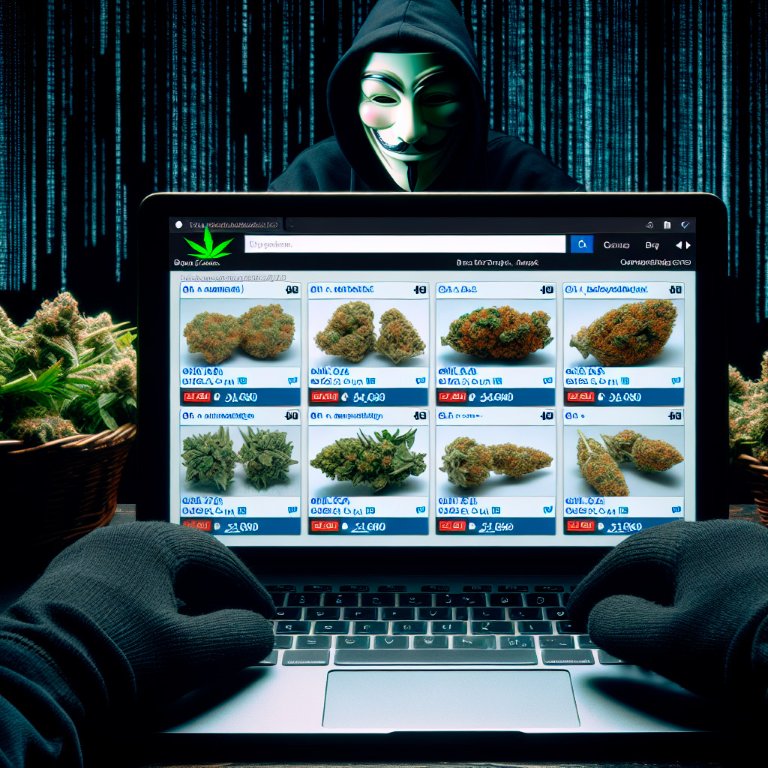
How Direct P2P Trade Works on the Darknet
The architecture of darknet markets fundamentally enables a direct peer-to-peer exchange. This model removes traditional intermediaries, creating a system where buyers and sellers interact with greater autonomy. The transaction is facilitated by the market's framework, but the core exchange occurs between individuals, aligning with principles of user choice and independence.
This direct commerce is made reliable through integrated vendor rating systems and detailed product reviews. Prior to any transaction, a buyer can assess a seller's history. This creates a self-regulating environment where consistent quality and honest service are incentivized, as a vendor's reputation is their primary asset. The feedback mechanisms provide a transparent record of past performance.
Financial security is handled through cryptocurrency payments, which are native to these platforms. Payments are simple and are held in escrow by the market until the buyer confirms receipt, protecting both parties. The use of cryptocurrency, combined with strong encryption across all communications and transactions, ensures a high degree of privacy and operational security for the participants.
The combination of these elementsdirect exchange, reputation-based trust, and secure financial protocolsforms a working model for digital marketplaces. It demonstrates how complex trade can be conducted efficiently and with a measure of reliability outside conventional channels, based on verifiable data and cryptographic security rather than institutional oversight.